
Are you tired of feeling overwhelmed and stressed? Can simple changes really make a difference in how we manage stress? The answer lies in adopting effective stress relief tips that can be easily incorporated into daily life.
Stress is an inevitable part of modern life, but it doesn’t have to control our well-being. By exploring various self-care strategies, individuals can find healthy ways to cope with stress and improve their overall quality of life.
Discovering the right balance is key. By learning and applying simple stress-busting methods, anyone can reduce their stress levels and enhance their well-being.
Key Takeaways
Table of Contents
- Effective stress management improves overall well-being.
- Simple self-care strategies can significantly reduce stress.
- Incorporating stress relief tips into daily routines is beneficial.
- Adopting healthy coping mechanisms is crucial for stress management.
- Balance in life is key to reducing stress levels.
Understanding the Impact of Stress on Your Body and Mind
The effects of stress are far-reaching, influencing our physical health, mental state, and overall quality of life. When we experience stress, our body’s “fight or flight” response is triggered, releasing hormones like cortisol and adrenaline.
Physical Symptoms of Chronic Stress
Chronic stress can lead to a variety of physical symptoms, including headaches, fatigue, and digestive issues. Prolonged exposure to stress hormones can also weaken the immune system, making us more susceptible to illnesses.
Mental and Emotional Effects of Stress
Stress can significantly impact our mental health, contributing to anxiety, depression, and mood swings. Effective mental relaxation exercises are crucial for mitigating these effects and maintaining emotional balance.
The Science Behind Stress Response
The body’s stress response is a complex process involving multiple physiological systems. Understanding this response is key to developing effective relaxation methods and stress relief tips.
By recognizing the signs of stress and its impact on our overall well-being, we can take proactive steps towards managing stress and improving our quality of life.
The Power of Deep Breathing Exercises
Deep breathing exercises are a simple yet effective way to reduce stress and promote relaxation. These exercises work by slowing down your heart rate, lowering blood pressure, and promoting a sense of calm.
4-7-8 Breathing Technique
The 4-7-8 breathing technique, also known as the “Relaxation Breath,” involves breathing in through your nose for a count of 4, holding your breath for a count of 7, and exhaling through your mouth for a count of 8. This technique can help slow down your heart rate and promote relaxation.
Box Breathing Method
Box breathing, also known as “square breathing,” involves breathing in for a count of 4, holding for a count of 4, exhaling for a count of 4, and holding again for a count of 4. This creates a “box” shape with your breath, promoting balance and calm.
Diaphragmatic Breathing Practice
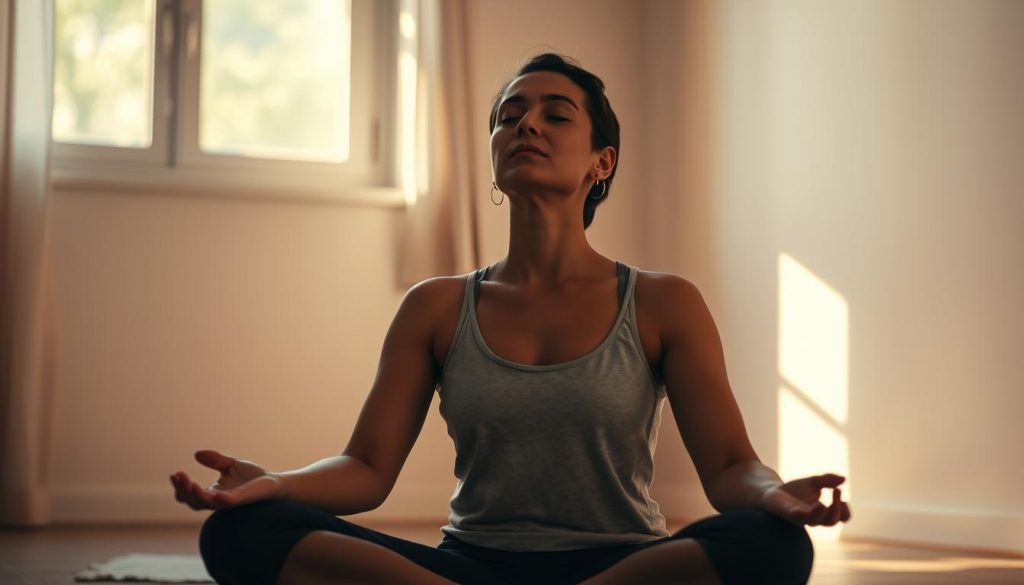
Diaphragmatic breathing, or “belly breathing,” engages your diaphragm, the muscle that separates your chest and abdominal cavities. To practice, place one hand on your belly and the other on your chest, and breathe in deeply through your nose, allowing your belly to rise.
How to Incorporate Breathing Exercises into Your Daily Routine
To get the most out of deep breathing exercises, try incorporating them into your daily routine, such as right after waking up or before bed. Start with short sessions and gradually increase the duration as you become more comfortable with the techniques.
Mindfulness Practices for Everyday Calm
Mindfulness practices offer a powerful tool for achieving calm in our increasingly busy lives. By incorporating mindfulness into our daily routines, we can better manage stress and enhance our overall well-being.
Basic Mindfulness Meditation Techniques
One of the simplest ways to begin a mindfulness practice is through basic meditation techniques. Find a quiet space, sit comfortably, and focus on your breath. When your mind wanders, gently bring your attention back to your breathing. Start with short sessions, such as 5-10 minutes, and gradually increase the duration as you become more comfortable with the practice.
Mindful Walking Exercise
Mindful walking is another effective mindfulness practice. Pay attention to your surroundings, the sensation of your feet touching the ground, and the rhythm of your breath. This practice can be done anywhere, making it a versatile tool for daily calm.
Body Scan Meditation
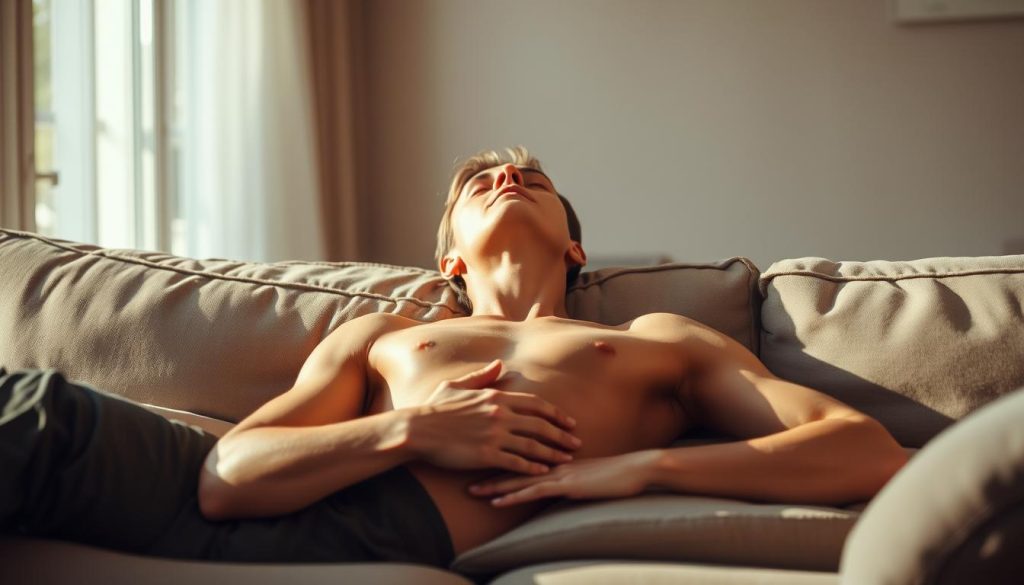
Body scan meditation involves lying down or sitting comfortably and bringing awareness to different parts of your body. Start from your toes and work your way up to the top of your head, noticing any areas of tension or discomfort. This practice helps in releasing physical stress and promoting relaxation.
Mindful Eating Practice
Mindful eating encourages you to slow down and savor your food. Pay attention to the colors, textures, and flavors of your meal. Chew slowly and listen to your body’s hunger and fullness cues. This practice not only enhances your dining experience but also promotes healthier eating habits.
Progressive Muscle Relaxation: A Step-by-Step Guide
Learn how to relax your muscles and calm your mind with our step-by-step guide to Progressive Muscle Relaxation (PMR). This technique involves tensing and relaxing different muscle groups to release physical tension and promote relaxation.
Preparing Your Space for PMR
To get the most out of PMR, it’s essential to create a conducive environment. Find a quiet, comfortable space where you can lie down or sit without distractions. Consider using a mat or a comfortable chair to support your body.
Full-Body Progressive Muscle Relaxation Sequence
Start by tensing your toes, holding for a few seconds, and then release. Move up through the body, tensing and relaxing each muscle group in turn: feet, calves, thighs, hips, back, shoulders, arms, hands, neck, and head. This sequence helps in releasing tension from head to toe.
Quick PMR Techniques for Busy Days
For days when time is limited, you can still benefit from abbreviated PMR sessions. Focus on key areas like the shoulders and hands, or practice a rapid sequence of tensing and relaxing major muscle groups.
Tracking Your Progress with PMR
Keeping a journal can be a useful way to track your progress with PMR. Note how you feel before and after sessions, and any changes in your stress levels or overall well-being.
| Muscle Group | Tensing Time | Relaxation Tip |
|---|---|---|
| Toes | 5 seconds | Feel the tension release as you breathe out |
| Shoulders | 3-5 seconds | Notice the difference between tension and relaxation |
| Neck | 5 seconds | Allow your head to feel heavy and supported |
Natural Relaxation Techniques Using Guided Imagery
Imagine yourself in a peaceful environment, free from the stresses of everyday life, through the practice of guided imagery. This technique involves using your imagination to create a mental state of relaxation and calmness, helping to reduce stress and anxiety.
Creating Your Personal Safe Place
The first step in practicing guided imagery is to create a personal safe place. This could be a real or imagined location where you feel completely safe and relaxed. To create your safe place, find a quiet spot, close your eyes, and visualize a location that makes you feel calm and happy. It could be a beach, a forest, or a mountain meadow. Use all your senses to bring this place to life, imagining the sights, sounds, smells, and sensations.
Nature-Based Guided Imagery Scripts
Nature-based guided imagery scripts can be particularly effective. For example, you might imagine walking through a serene forest, listening to the sound of a gentle stream, or feeling the warmth of the sun on your skin. Guided imagery scripts can be found online or created personally, tailored to your specific needs and preferences.
“The mind is everything; what you think, you become.” – Buddha
Using Guided Imagery for Sleep
Guided imagery can also be a valuable tool for improving sleep. By visualizing a peaceful scene or scenario, you can calm your mind and body, making it easier to fall asleep. Try listening to a guided imagery recording before bed, or practice the technique on your own, imagining yourself in a restful state.
Combining Guided Imagery with Other Relaxation Methods
For enhanced effectiveness, guided imagery can be combined with other relaxation techniques such as deep breathing, progressive muscle relaxation, or mindfulness meditation. Experiment with different combinations to find what works best for you. By incorporating guided imagery into your relaxation routine, you can achieve a deeper state of calm and reduce stress.
Physical Activities That Reduce Stress Naturally
Physical activity is a powerful stress-reliever that can improve overall well-being. Engaging in regular exercise can help alleviate stress and anxiety by releasing endorphins, also known as “feel-good” hormones. By incorporating physical activities into your daily routine, you can significantly reduce stress levels and enhance your mental health.
Gentle Yoga Poses for Stress Relief
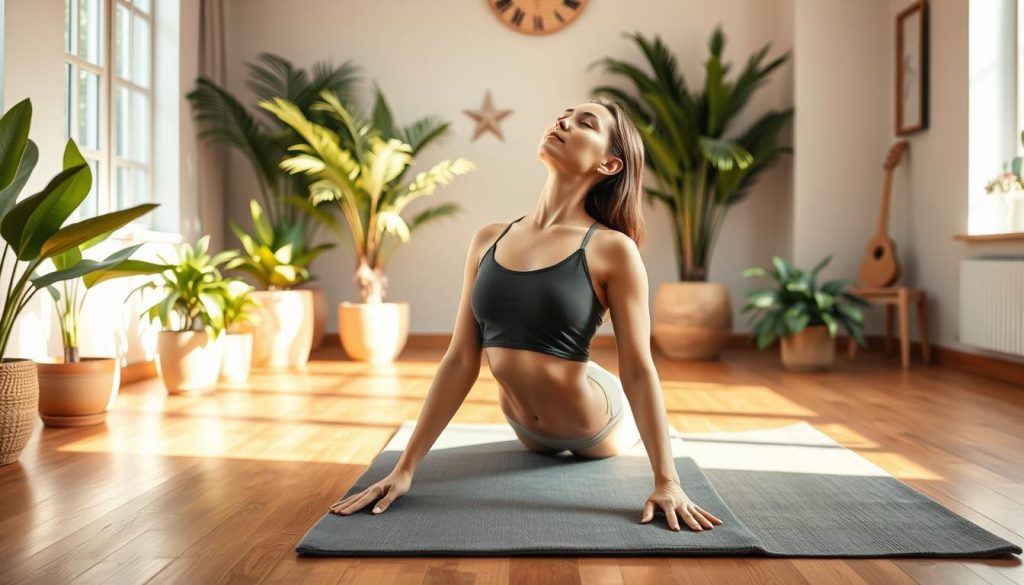
Gentle yoga poses are an excellent way to reduce stress and promote relaxation. Poses such as Child’s Pose, Cat-Cow Pose, and Downward-Facing Dog can help calm the mind and release tension in the body. Practicing yoga regularly can also improve flexibility and balance.
Tai Chi and Qigong Basics
Tai Chi and Qigong are ancient Chinese practices that combine slow movements, deep breathing, and meditation to promote relaxation and reduce stress. These practices can help improve balance, flexibility, and overall physical and mental well-being. By incorporating Tai Chi and Qigong into your daily routine, you can experience a significant reduction in stress levels.
Nature Walks and Forest Bathing
Spending time in nature can have a profound impact on stress levels. Nature walks and forest bathing can help calm the mind, reduce anxiety, and promote a sense of well-being. Being in nature allows you to disconnect from the stresses of daily life and reconnect with the natural world.
Stretching Routines to Release Tension
Stretching is a simple yet effective way to release tension and reduce stress. Incorporating stretching routines into your daily routine can help improve flexibility, reduce muscle tension, and promote relaxation. Focus on stretching major muscle groups such as the neck, shoulders, and back to release tension and promote calmness.
Creating a Personalized Self-Care Strategy for Long-Term Stress Management
Developing a tailored self-care strategy is crucial for effective long-term stress management. By understanding your unique stress triggers and incorporating relaxation techniques into your daily routine, you can significantly improve your overall well-being.
Assessing Your Stress Triggers
Identifying the sources of your stress is the first step in creating an effective self-care plan. Take time to reflect on your daily life, noting situations, events, or people that cause you stress. Keeping a stress journal can be a helpful tool in this process.
Building a Daily Relaxation Routine
Establishing a daily relaxation routine is essential for managing stress. This can include mental relaxation exercises such as meditation, deep breathing, or progressive muscle relaxation. Start with short sessions and gradually increase the duration as you become more comfortable with the practices.
Incorporating Stress-Reducing Habits
In addition to a daily relaxation routine, incorporating stress-reducing habits into your lifestyle can further enhance your self-care strategy. This may include regular exercise, healthy eating, and engaging in hobbies or activities that bring you joy.
When to Seek Professional Support
While self-care strategies can be highly effective, there are times when professional support is necessary. If you find that your stress levels are impacting your daily life or if you’re experiencing symptoms of anxiety or depression, it’s important to seek help from a mental health professional.
Conclusion: Embracing Natural Relaxation for a Balanced Life
As we’ve explored throughout this article, incorporating natural relaxation techniques into your daily routine can significantly reduce stress and improve overall well-being. By practicing mindfulness practices like meditation and deep breathing, you can calm your mind and soothe your body.
Simple stress relief tips such as progressive muscle relaxation and guided imagery can also be powerful tools in managing stress. By combining these techniques with physical activities like yoga and tai chi, you can create a comprehensive approach to relaxation.
Embracing natural relaxation techniques is a journey, and it’s essential to be patient and consistent. Start by incorporating one or two techniques into your daily routine and gradually build up to more. With time and practice, you’ll find that these techniques become an integral part of your self-care strategy, leading to a more balanced and fulfilling life.
FAQ
What are some effective natural relaxation techniques for stress relief?
Techniques such as deep breathing exercises, mindfulness practices, progressive muscle relaxation, and guided imagery can be very effective in reducing stress and promoting relaxation.
How can I incorporate deep breathing exercises into my daily routine?
You can start by setting aside a few minutes each day to practice deep breathing. Try techniques like the 4-7-8 Breathing Technique or Diaphragmatic Breathing Practice, and incorporate them into your daily activities, such as right before bed or during your morning meditation.
What is mindfulness, and how can it help with stress management?
Mindfulness is the practice of being present in the moment, paying attention to your thoughts, feelings, and sensations without judgment. It can help with stress management by teaching you to stay grounded and focused, reducing worries about the past or future.
How does progressive muscle relaxation work, and how can I practice it?
Progressive muscle relaxation involves tensing and relaxing different muscle groups in your body to release physical tension. To practice, start by finding a comfortable position, then tense and relax different muscle groups, such as your toes, calves, arms, and shoulders.
Can guided imagery really help with relaxation and stress relief?
Yes, guided imagery can be a powerful tool for relaxation and stress relief. By using your imagination to create a peaceful, safe space, you can calm your mind and body, reducing feelings of stress and anxiety.
What are some physical activities that can help reduce stress naturally?
Activities like gentle yoga, Tai Chi, Qigong, nature walks, and forest bathing can help reduce stress by promoting relaxation, improving mood, and reducing physical tension.
How can I create a personalized self-care strategy for managing stress?
Start by assessing your stress triggers, then build a daily relaxation routine that incorporates techniques like deep breathing, mindfulness, or progressive muscle relaxation. You can also incorporate stress-reducing habits, such as regular exercise or meditation, into your daily life.
When should I seek professional support for stress management?
If you’re experiencing overwhelming stress that interferes with your daily life, or if you’re struggling to manage stress on your own, it may be helpful to seek support from a mental health professional. They can provide personalized guidance and support to help you develop effective stress management strategies.