
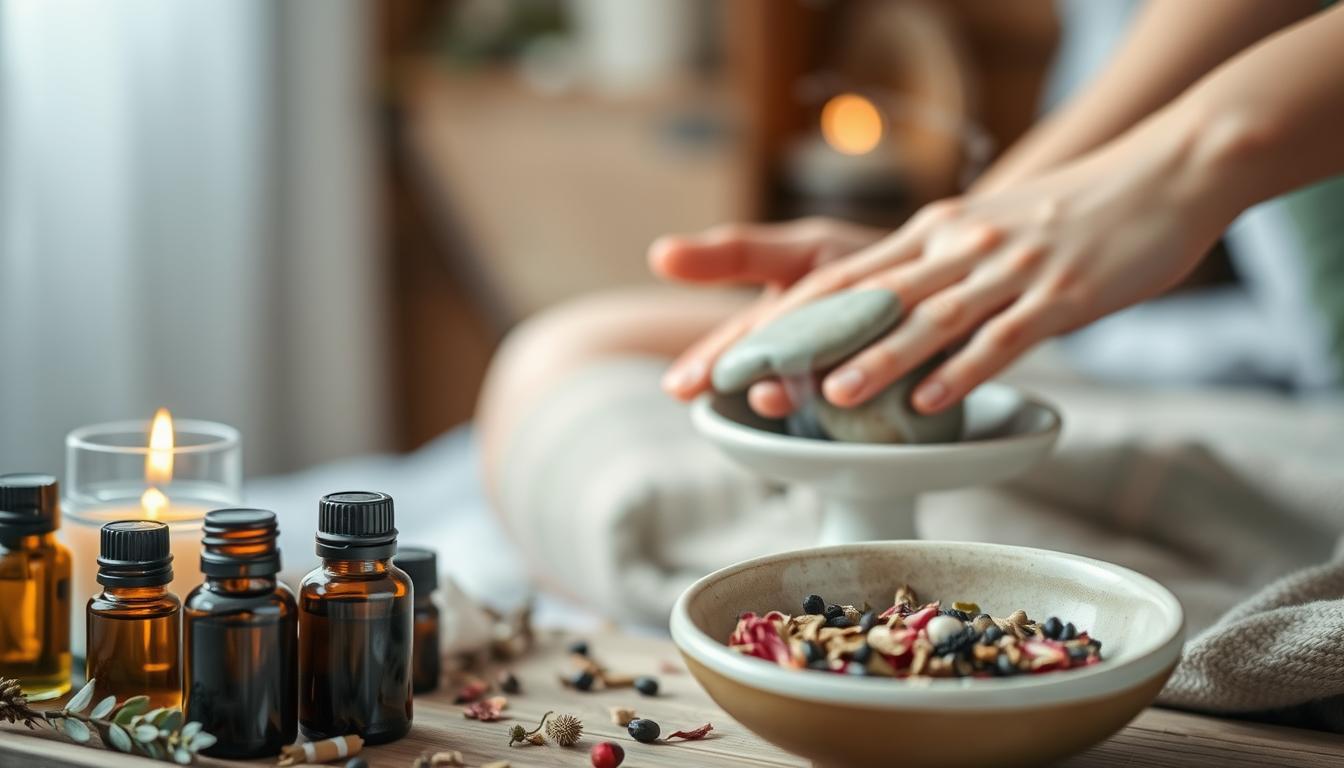
Can a simple sniff of a fragrant essential oil truly transform your well-being? Aromatherapy has been a long-standing practice, offering a holistic approach to self-care. By incorporating aromatherapy into your daily routine, you can potentially reduce stress and promote relaxation.
This ancient practice involves the use of essential oils derived from plants to promote physical, emotional, and mental well-being. As a complementary therapy, aromatherapy can be used alongside traditional self-care practices to enhance their benefits.
Key Takeaways
Table of Contents
- Aromatherapy offers a holistic approach to self-care, promoting overall well-being.
- Essential oils derived from plants are used in aromatherapy to promote relaxation and reduce stress.
- Incorporating aromatherapy into your daily routine can enhance traditional self-care practices.
- Aromatherapy can be used as a complementary therapy to support emotional and mental health.
- Simple practices like inhaling fragrant essential oils can have a positive impact on well-being.
Understanding the Power of Aromatherapy for Wellness
The therapeutic benefits of aromatherapy are rooted in its ability to influence both psychological and physiological states, making it a valuable tool for overall wellness. Aromatherapy, which involves the use of essential oils derived from plants, has been practiced for centuries to promote health and well-being.
The Science Behind Aromatherapy and Well-being
Aromatherapy works by stimulating the brain’s limbic system, which is responsible for emotions, mood, and memory. When essential oils are inhaled, their active compounds interact with the brain, potentially reducing stress and anxiety. Research has shown that certain essential oils can have a positive impact on mood and cognitive function, supporting the use of aromatherapy as a complementary therapy for mental health.
How Essential Oils Affect Your Mind and Body
Essential oils can affect both the mind and body through various mechanisms. When inhaled, the molecules of these oils travel to the brain, where they can influence emotional responses and mood. Some essential oils, such as lavender and chamomile, are known for their calming effects, while others like peppermint and eucalyptus can be invigorating. Topical application of essential oils, when properly diluted, can also provide localized relief from pain and inflammation.
The benefits of aromatherapy for mental health are multifaceted, including reduced stress levels, improved mood, and enhanced cognitive function. By incorporating essential oils into daily routines, individuals can potentially improve their overall well-being and resilience to stress.
Essential Oils: Your Self-Care Toolkit
Essential oils are a powerful tool in your self-care arsenal, offering a natural way to enhance your well-being. These concentrated plant extracts have been used for centuries to promote relaxation, reduce stress, and improve overall health. By incorporating essential oils into your self-care rituals, you can create a personalized approach to wellness that suits your specific needs.
Top 10 Essential Oils for Wellness and Relaxation
Certain essential oils are renowned for their calming and therapeutic properties. Here are the top 10 essential oils for wellness and relaxation:
- Lavender: Known for its calming effects and ability to promote a good night’s sleep.
- Chamomile: Soothes and calms the mind and body.
- Frankincense: Reduces stress and anxiety.
- Bergamot: Uplifts and calms, reducing stress and fatigue.
- Ylang-Ylang: Promotes feelings of love and relaxation.
- Sandalwood: Grounds and calms, promoting relaxation.
- Clary Sage: Relieves stress and anxiety.
- Ginger: Soothes and warms, reducing nausea and stress.
- Rose: Promotes emotional balance and well-being.
- Tangerine: Uplifts and refreshes, reducing anxiety.
Quality Matters: How to Choose Pure Essential Oils
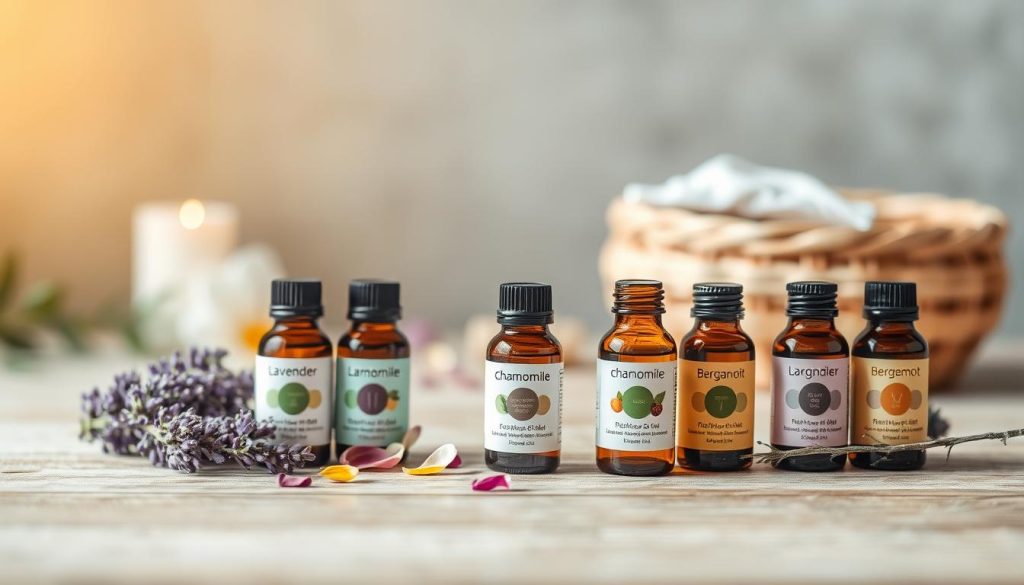
When selecting essential oils, quality is paramount. Look for oils that are 100% pure and sourced from reputable suppliers. Check the label for the botanical name, country of origin, and any relevant certifications like GC/MS (Gas Chromatography/Mass Spectrometry) testing. This ensures you’re getting a high-quality oil without adulterants.
Creating Effective Blends for Different Needs
Blending essential oils allows you to tailor your aromatherapy experience to your specific needs. For relaxation, combine lavender, chamomile, and sandalwood. For an energy boost, blend peppermint, eucalyptus, and rosemary. Experiment with different ratios to find what works best for you.
Safety Guidelines for Aromatherapy Practice
While essential oils are natural, they must be used safely. Always dilute essential oils with a carrier oil before applying to the skin, and perform a patch test to check for sensitivity. Keep essential oils away from eyes and mucous membranes, and consult a healthcare professional if you’re pregnant, nursing, or have allergies.
Implementing Aromatherapy for Self-Care: Step-by-Step Guide
Creating a personalized aromatherapy practice can significantly enhance your overall well-being and stress management. By following a structured approach, you can tailor a self-care routine that meets your specific needs and promotes relaxation and wellness.
Identifying Your Self-Care Needs
The first step in implementing aromatherapy for self-care is to identify your specific needs. Are you looking to reduce stress, improve your mood, or enhance your sleep quality? Understanding your goals will help you choose the most effective essential oils and methods for your aromatherapy practice. Take a moment to reflect on what you hope to achieve through aromatherapy.
Consider keeping a journal to track your emotions, energy levels, and any challenges you’re facing. This can help you pinpoint areas where aromatherapy can be most beneficial.
Selecting the Right Oils for Your Goals
Once you’ve identified your self-care needs, the next step is to select the appropriate essential oils. Different oils have unique properties that can address various concerns, from anxiety and insomnia to fatigue and mood enhancement. For example, lavender oil is renowned for its calming effects, while peppermint oil can be invigorating and refreshing.
Research the properties of different essential oils and choose those that align with your goals. It’s also beneficial to consult with a qualified aromatherapist or healthcare professional for personalized recommendations.
Creating a Daily Aromatherapy Ritual
Consistency is key when it comes to aromatherapy. Establishing a daily ritual can help you reap the full benefits of this practice. This could involve diffusing essential oils in your home, applying them topically during a massage, or inhaling them directly from a personal inhaler.
Start with a simple routine, such as diffusing a calming blend in the evening to promote relaxation before bed. As you become more comfortable with aromatherapy, you can experiment with different methods and blends to find what works best for you.
Adjusting Your Practice for Maximum Benefits
As with any self-care practice, it’s essential to be attentive to your body’s responses and adjust your aromatherapy routine accordingly. If you find that a particular oil or method isn’t producing the desired effects, don’t hesitate to try alternatives.
Regularly evaluating and adapting your aromatherapy practice ensures that it remains effective and aligned with your evolving needs. By being open to adjustments and willing to explore different approaches, you can maximize the benefits of aromatherapy for your overall well-being.
“Aromatherapy is not just about using essential oils; it’s about creating a holistic practice that nurtures both body and mind.”
Aromatherapy Application Methods for Holistic Well-being
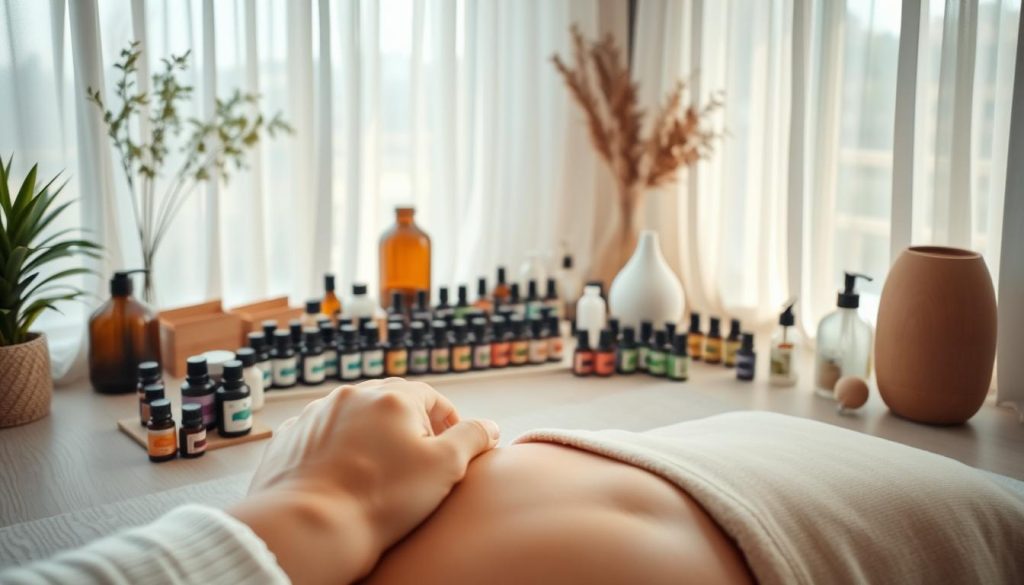
The versatility of aromatherapy lies in its multiple application methods, each tailored to promote holistic well-being. By understanding and utilizing these various techniques, individuals can enhance their self-care practices and improve their emotional well-being.
Method 1: Diffusion Techniques for Home and Office
Diffusion is one of the most popular methods of aromatherapy application. It involves dispersing essential oils into the air, creating a therapeutic atmosphere. There are several types of diffusers available, including ultrasonic, nebulizing, and heat diffusers, each with its unique benefits.
For home and office use, ultrasonic diffusers are highly recommended due to their quiet operation and ability to humidify the air. To maximize the benefits, it’s advisable to diffuse essential oils in a well-ventilated area and to clean the diffuser regularly.
Method 2: Creating and Using Personal Inhalers
Personal inhalers are a convenient and portable way to enjoy the benefits of aromatherapy on the go. To create a personal inhaler, you can add a few drops of your preferred essential oil to a cotton wick inside the inhaler. This method is particularly useful for immediate stress relief or to boost energy levels.
Method 3: Aromatherapy Baths and Shower Melts
Aromatherapy baths and shower melts offer a relaxing and rejuvenating experience. Adding essential oils to your bathwater or using shower melts infused with essential oils can help to reduce stress, soothe muscles, and promote a good night’s sleep. For an enhanced experience, consider combining aromatherapy with other relaxation techniques, such as meditation or deep breathing exercises.
Method 4: Topical Applications: Massage Oils and Roll-ons
Topical application of essential oils through massage oils and roll-ons is another effective method. When using essential oils topically, it’s crucial to dilute them with a carrier oil to avoid skin irritation. Massage oils can be used for therapeutic massage, while roll-ons offer a quick and easy way to apply essential oils to pulse points.
| Application Method | Benefits | Precautions |
|---|---|---|
| Diffusion | Creates a therapeutic atmosphere, improves mood | Ensure good ventilation, clean diffuser regularly |
| Personal Inhalers | Portable, immediate stress relief | Use high-quality essential oils |
| Aromatherapy Baths/Shower Melts | Relaxing, reduces stress, promotes sleep | Be cautious when getting in/out of the bath |
| Topical Applications | Effective for localized relief, easy to use | Dilute essential oils with carrier oil, patch test |
By incorporating these aromatherapy application methods into your daily routine, you can significantly enhance your self-care practices and promote holistic well-being. Experiment with different techniques to find what works best for you.
Conclusion
As we’ve explored throughout this article, aromatherapy offers a holistic approach to self-care, enhancing overall well-being through the power of essential oils. By understanding the science behind aromatherapy and selecting the right essential oils, you can create a personalized self-care practice that nurtures both body and mind.
Incorporating aromatherapy into self-care is a simple yet effective way to promote relaxation, reduce stress, and improve mood. Whether through diffusion, topical application, or inhalation, the methods of aromatherapy application are diverse and easily adaptable to daily life.
By making aromatherapy a part of your daily routine, you can experience the profound benefits it offers for mental and physical health. Start your aromatherapy journey today and discover the positive impact it can have on your overall quality of life.
FAQ
What is aromatherapy and how does it work for self-care?
Aromatherapy is a holistic healing practice that utilizes essential oils derived from plants to promote physical, emotional, and mental well-being. By inhaling or applying these oils, individuals can experience a range of benefits, from relaxation and stress relief to improved mood and reduced anxiety.
How can I incorporate aromatherapy into my daily self-care routine?
You can incorporate aromatherapy into your daily routine by using a diffuser, creating a relaxing bath with essential oils, or applying topical blends to your skin. You can also use personal inhalers or roll-ons for a quick pick-me-up throughout the day.
What are the benefits of using essential oils for wellness and relaxation?
Essential oils can help reduce stress and anxiety, promote relaxation, improve sleep quality, and boost mood. Certain oils, such as lavender and chamomile, have a calming effect, while others like peppermint and eucalyptus can be invigorating and refreshing.
How do I choose high-quality essential oils for aromatherapy?
To choose high-quality essential oils, look for products that are labeled as “pure” or “therapeutic grade.” Research the manufacturer and check for third-party certifications, such as GC/MS testing, to ensure the oil’s purity and potency.
Can I blend different essential oils together for self-care?
Yes, blending different essential oils can create unique and effective combinations for various self-care needs. However, it’s essential to follow proper guidelines for blending, such as using a carrier oil for topical applications and starting with small amounts to test the blend’s potency.
Are there any safety precautions I should take when using aromatherapy for self-care?
Yes, when using aromatherapy, it’s crucial to follow safety guidelines, such as diluting essential oils in a carrier oil for topical use, avoiding sensitive areas, and keeping oils away from children and pets. Always research the potential risks and interactions associated with specific oils.
How can I adjust my aromatherapy practice to achieve maximum benefits for my emotional well-being?
To maximize the benefits of aromatherapy for emotional well-being, experiment with different oils, blends, and application methods to find what works best for you. Keep a journal to track your experiences and adjust your practice accordingly. Consistency and patience are key to achieving optimal results.