
Are you tired of feeling overwhelmed and anxious? Can a simple, natural solution be the key to calming your mind and body?
In today’s fast-paced world, stress has become an unwelcome companion for many. Fortunately, nature has provided us with a wealth of remedies to help alleviate its effects. One such remedy is the use of certain plant extracts in aromatherapy.
Aromatherapy has been used for centuries to promote relaxation and reduce anxiety. By harnessing the power of these natural extracts, individuals can find a sense of calm and well-being.
Key Takeaways
Table of Contents
- Natural remedies can help alleviate stress and anxiety.
- Aromatherapy is a centuries-old practice used for relaxation.
- Certain plant extracts have a calming effect on the mind and body.
- Using aromatherapy can promote overall well-being.
- Simple, natural solutions can be effective in managing stress.
Understanding How Aromatherapy Affects Your Stress Response
Stress is an inevitable part of modern life, and understanding how aromatherapy influences our stress response can be incredibly valuable. Chronic stress affects millions of people worldwide, leading to various physical and mental health issues. Aromatherapy, which involves the use of essential oils, has emerged as a potential natural remedy for stress and anxiety.
The Physiological Impact of Chronic Stress
Chronic stress triggers a cascade of physiological responses in the body, including the release of stress hormones like cortisol and adrenaline. Prolonged exposure to these hormones can lead to fatigue, decreased immune function, and mood disturbances. Understanding this physiological impact is crucial for appreciating how aromatherapy can help mitigate stress.
| Physiological Effects | Impact on Health |
|---|---|
| Increased cortisol levels | Fatigue, weight gain |
| Adrenaline release | Anxiety, mood swings |
| Weakened immune system | Frequent illnesses |
How Essential Oils Interact with Your Brain and Nervous System
Essential oils interact with the brain and nervous system through the olfactory system. When inhaled, the molecules of essential oils travel up the nostrils and bind to olfactory receptors, sending signals to the brain’s limbic system. This system is involved in emotion, motivation, and memory, which is why certain scents can evoke strong emotional responses and help reduce stress.
Key essential oils like lavender and bergamot have been shown to have a positive impact on stress and anxiety by promoting relaxation and reducing cortisol levels.
Essential Oils for Stress Relief: The Top Performers
The world of aromatherapy offers numerous essential oils that are highly effective in alleviating stress and anxiety. These natural remedies have been used for centuries to promote relaxation and well-being. Here, we’ll explore the top essential oils for stress relief, including their unique properties and benefits.
Lavender: Nature’s Tranquilizer
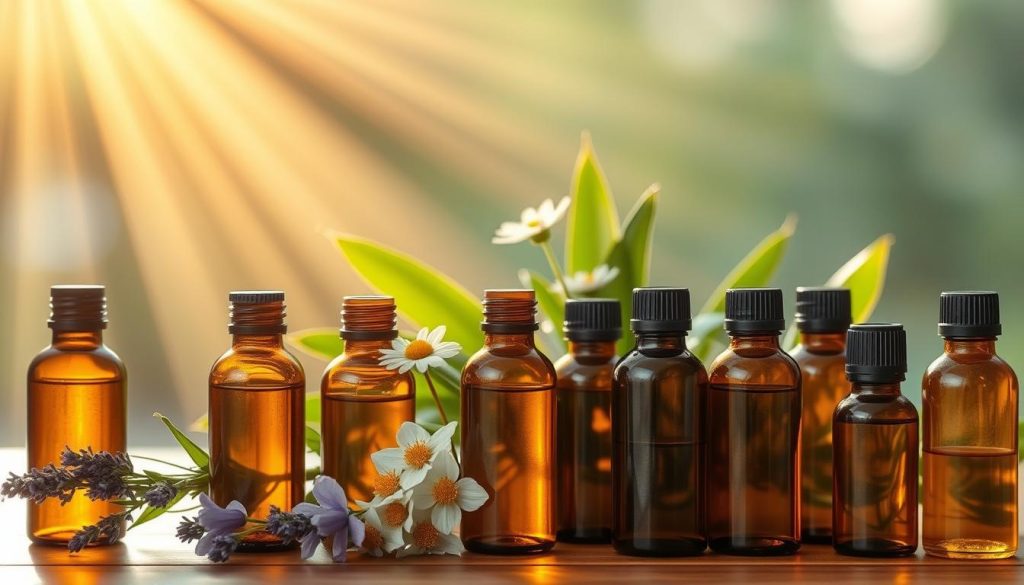
Lavender oil is renowned for its calming effects. It has a soothing scent that can help reduce anxiety and promote a good night’s sleep. Studies have shown that lavender oil can decrease stress levels and improve mood. To use lavender oil effectively, you can add a few drops to your diffuser or inhale it directly from a cloth or handkerchief.
Bergamot: The Anxiety-Reducing Citrus
Bergamot essential oil is known for its uplifting and calming properties. It can help reduce anxiety and stress by promoting a sense of calm and relaxation. Bergamot oil can be used in a diffuser or applied topically to pulse points after dilution with a carrier oil.
Ylang Ylang: For Emotional Overwhelm
Ylang ylang oil is often used to combat stress and anxiety due to its soothing and calming effects on the mind and body. It can help lower blood pressure and promote a sense of well-being. Ylang ylang oil can be used in aromatherapy or blended with other oils for a calming massage.
Frankincense: The Meditative Mind Soother
Frankincense oil has been used for centuries for its meditative properties. It can help reduce stress and anxiety by promoting deep relaxation and a sense of calm. Frankincense oil can be diffused during meditation or yoga practices to enhance their benefits.
These top essential oils for stress relief offer a natural and effective way to manage stress and promote relaxation. By incorporating them into your daily routine, you can experience a significant reduction in stress levels and an improvement in overall well-being.
- Lavender: Promotes relaxation and improves sleep quality.
- Bergamot: Reduces anxiety and uplifts mood.
- Ylang Ylang: Soothes emotional overwhelm and lowers blood pressure.
- Frankincense: Enhances meditation and promotes deep relaxation.
Secondary Stress-Busting Essential Oils to Try
While popular essential oils are often discussed, other lesser-known oils can also be highly effective in managing stress. These secondary options can be used individually or blended to enhance their stress-relieving properties, providing a natural way to alleviate essential oils for calming nerves.
Chamomile: Gentle Relief for Nervous Tension
Chamomile essential oil is known for its calming effects on the nervous system, making it an excellent choice for relieving nervous tension. Its gentle nature makes it suitable for daily use.
Clary Sage: The Natural Euphoric
Clary sage oil has a euphoric effect that can help reduce stress and anxiety. It’s particularly useful during overwhelming situations.
Sweet Orange: Uplifting Citrus for Mental Fatigue
Sweet orange essential oil is uplifting and can help combat mental fatigue. Its citrus scent is refreshing and can improve mood, making it a great addition to essential oils blends for stress relief.
Vetiver: The Grounding Oil for Racing Thoughts
Vetiver oil is known for its grounding properties, which can help calm racing thoughts and promote a sense of calm and relaxation, aiding in calming nerves.
| Essential Oil | Primary Benefit | Best Used For |
|---|---|---|
| Chamomile | Calming nervous tension | Daily relaxation |
| Clary Sage | Euphoric effect | Reducing anxiety |
| Sweet Orange | Uplifting citrus scent | Combating mental fatigue |
| Vetiver | Grounding properties | Calming racing thoughts |
How to Use Essential Oils Effectively for Stress Management
To reap the benefits of aromatherapy for stress relief, it’s crucial to know how to use essential oils correctly. Essential oils can be utilized in various ways to promote relaxation and reduce stress. Understanding these methods can help you incorporate essential oils into your daily routine effectively.
Diffusion Methods: Creating a Calming Environment
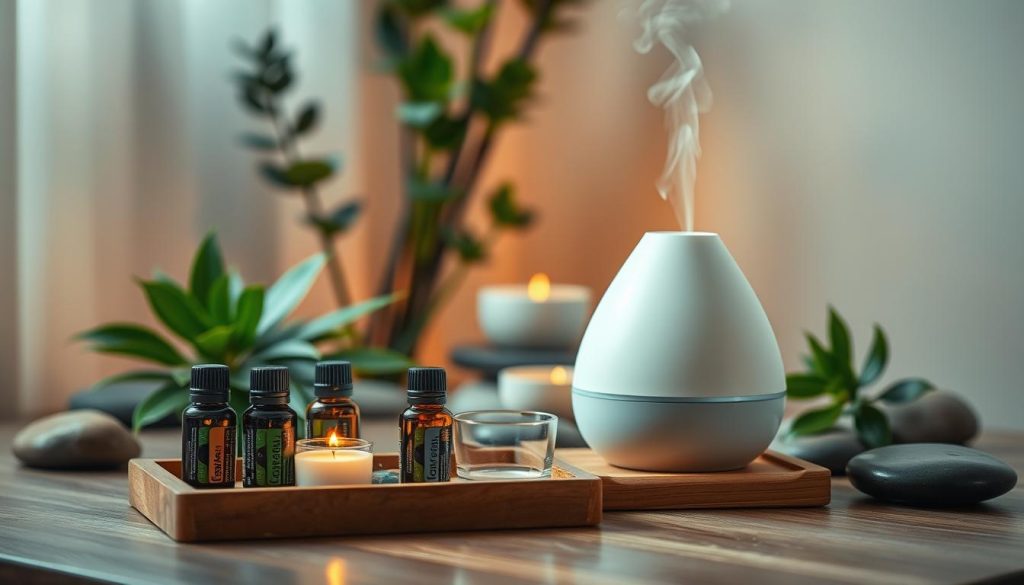
Diffusing essential oils is a popular method for creating a calming atmosphere. Using a diffuser can help spread the oil’s particles throughout the air, promoting relaxation. There are various types of diffusers available, including ultrasonic and nebulizing diffusers.
Topical Application: Step-by-Step Massage Techniques
Topical application involves applying essential oils directly to the skin, often through massage. It’s essential to dilute the essential oils with a carrier oil to avoid skin irritation. A simple massage technique involves gently rubbing a few drops of diluted oil onto the temples or wrists.
Inhalation Methods: Quick Relief Anytime, Anywhere
Inhalation is a quick and effective way to experience the benefits of essential oils. You can inhale the oils directly from the bottle, or add a few drops to a handkerchief. This method is particularly useful for immediate stress relief.
Bath and Shower Techniques for Deep Relaxation
Adding essential oils to your bath or shower can enhance relaxation. For a bath, mix a few drops of oil with Epsom salt before adding it to the water. For a shower, you can use a shower gel or scrub infused with essential oils.
| Method | Benefits | Tips |
|---|---|---|
| Diffusion | Creates a calming environment | Use ultrasonic or nebulizing diffusers |
| Topical Application | Relieves stress through massage | Dilute with carrier oil to avoid irritation |
| Inhalation | Quick stress relief | Inhale directly or use a handkerchief |
| Bath and Shower | Enhances relaxation | Mix with Epsom salt or use infused products |
Creating Powerful Essential Oil Blends for Maximum Relief
The art of blending essential oils offers a tailored approach to managing stress. By combining different oils, you can create unique blends that address your specific stress relief needs at various times of the day or in different situations.
Morning Energizing Blends to Start Stress-Free
Begin your day with a refreshing blend of peppermint and lemon essential oils. This invigorating combination can help boost energy and mental clarity, setting a positive tone for the day.
Workday Blends to Maintain Focus and Calm
For a calm and focused workday, blend bergamot and ylang-ylang essential oils. This mix can help reduce anxiety while promoting concentration and a sense of well-being.
Evening Blends for Unwinding and Better Sleep
To unwind in the evening, create a blend of lavender and chamomile essential oils. This soothing combination can help calm the mind and body, preparing you for a restful night’s sleep.
On-the-Go Blends for Stressful Situations
For immediate stress relief on-the-go, mix frankincense and vetiver essential oils. This portable blend can be used to calm nerves and reduce stress during hectic moments.
| Blend | Oils Used | Benefits |
|---|---|---|
| Morning Energizing | Peppermint, Lemon | Boosts energy, mental clarity |
| Workday Calm | Bergamot, Ylang-Ylang | Reduces anxiety, promotes focus |
| Evening Unwind | Lavender, Chamomile | Calms mind, promotes sleep |
| On-the-Go Stress Relief | Frankincense, Vetiver | Calms nerves, reduces stress |
Essential Oil Safety and Best Practices
While essential oils can be a powerful tool for managing stress and anxiety, it’s crucial to use them safely and effectively. To maximize their benefits, understanding the best practices for their use is essential.
Proper Dilution Ratios with Different Carrier Oils
Essential oils are highly concentrated and must be diluted with carrier oils before applying to the skin. The recommended dilution ratio varies depending on the individual and the specific essential oil being used. Generally, a 2-3% dilution is recommended for most adults.
| Carrier Oil | Dilution Ratio | Benefits |
|---|---|---|
| Coconut Oil | 2-3% | Moisturizing, antimicrobial |
| Jojoba Oil | 2-3% | Stable, easily absorbed |
| Sweet Almond Oil | 2-3% | Nourishing, rich in vitamins |
Precautions for Sensitive Individuals and Medical Conditions
Certain individuals, such as pregnant women, children, and people with specific medical conditions, need to exercise extra caution when using essential oils. It’s advisable to consult with a healthcare professional before using essential oils, especially if you have allergies or sensitivities.
How to Identify Quality Essential Oils for Therapeutic Use
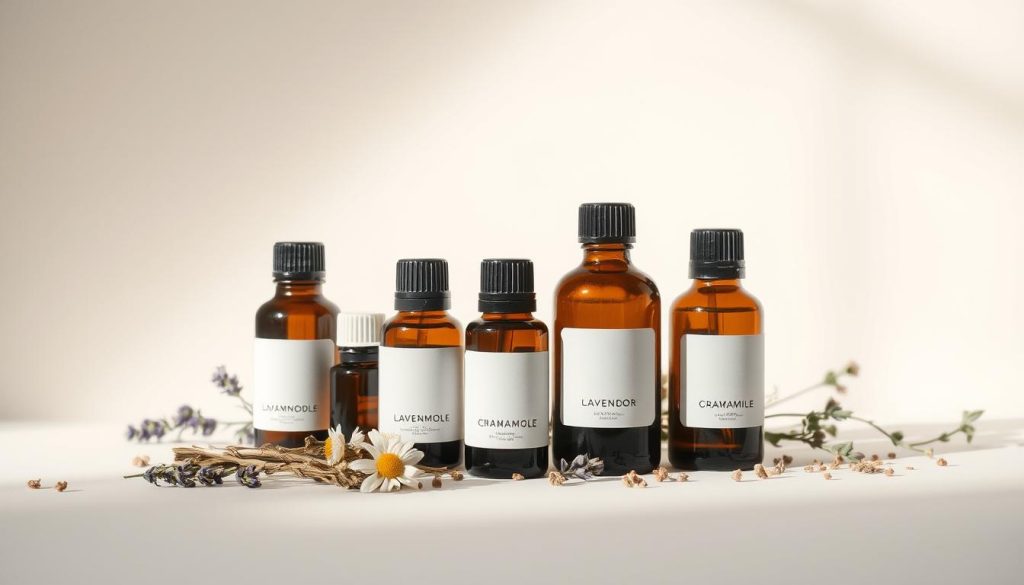
To ensure you’re getting high-quality essential oils, look for products that are labeled with the botanical name, country of origin, and GC/MS test results. Reputable suppliers will provide this information, ensuring the oil’s purity and potency.
By following these guidelines and being mindful of the quality and safe use of essential oils, you can enjoy the benefits of top essential oils for relaxation and improve your overall well-being.
Conclusion
As we’ve explored throughout this article, essential oils offer a natural and effective way to manage stress and anxiety. By understanding how aromatherapy affects your stress response and incorporating the right essential oils blends for stress relief, you can take a significant step towards a more balanced life.
From lavender and bergamot to ylang ylang and frankincense, the variety of essential oils available provides numerous options for finding what works best for you. Whether you’re looking to create a calming environment through diffusion, seeking quick relief through inhalation, or exploring topical application methods, the versatility of essential oils makes them a valuable addition to your stress management toolkit.
As you continue on your journey to reduce stress and anxiety, remember that natural remedies like essential oils can be a powerful ally. By combining these oils with other healthy practices, you can cultivate a robust defense against the pressures of daily life. Explore the world of aromatherapy for stress relief and discover the benefits that essential oils can bring to your overall well-being.
FAQ
What are the best essential oils for stress relief?
Some of the most effective essential oils for stress relief include lavender, bergamot, ylang ylang, and frankincense, which are known for their calming and relaxing properties.
How do essential oils help with anxiety and stress?
Essential oils can help alleviate anxiety and stress by interacting with the brain and nervous system, promoting relaxation, and reducing feelings of overwhelm.
Can I use essential oils on my skin to relieve stress?
Yes, you can use essential oils topically to relieve stress, but it’s crucial to dilute them with a carrier oil and perform a patch test to ensure you’re not allergic to the oil.
What is the best way to use essential oils for stress relief?
You can use essential oils for stress relief through diffusion, topical application, inhalation, or adding them to your bath water, depending on your personal preference and needs.
Are there any essential oil blends that can help with stress management?
Yes, creating blends with different essential oils can enhance their stress-relieving effects, and you can customize blends for specific situations, such as morning energizing or evening unwinding.
How do I ensure I’m using high-quality essential oils for therapeutic use?
To ensure you’re using high-quality essential oils, look for products that are labeled as “therapeutic grade,” check the ingredient list for purity, and research the manufacturer’s reputation and sourcing practices.
Can essential oils be used in conjunction with other stress-relief methods?
Absolutely, essential oils can be used alongside other stress-relief techniques, such as meditation, yoga, or deep breathing exercises, to enhance their effectiveness.
Are there any precautions I should take when using essential oils for stress relief?
Yes, it’s essential to follow proper dilution ratios, be aware of any allergies or sensitivities, and consult with a healthcare professional if you have underlying medical conditions or concerns.