

Are you seeking ways to boost your overall happiness and resilience in today’s fast-paced world? Cultivating mental health resources and incorporating effective self-care strategies into your daily life can make a significant difference.
By leveraging the right emotional wellness tools, individuals can better navigate life’s challenges and improve their overall quality of life. This article will explore various methods and resources available for enhancing emotional well-being.
Key Takeaways
Table of Contents
- Understanding the importance of emotional wellness
- Exploring effective self-care strategies
- Discovering mental health resources
- Learning how to incorporate emotional wellness tools into daily life
- Enhancing overall happiness and resilience
Understanding Emotional Wellness Tools and Their Benefits
As we navigate the complexities of modern life, emotional wellness tools offer a beacon of hope. Emotional wellness is crucial for maintaining a healthy balance between our mental and physical health. In this section, we will explore what makes emotional wellness tools effective, their impact on overall health, and how to identify your personal emotional wellness needs.
What Defines Effective Emotional Wellness Tools
Effective emotional wellness tools are those that provide stress management techniques and positive psychology exercises. These tools help individuals manage their emotions, reduce stress, and improve their overall mental well-being. Some of the key characteristics of effective emotional wellness tools include:
- Accessibility: Easy to use and accessible at any time.
- Personalization: Tailored to meet individual needs.
- Evidence-based: Grounded in scientific research and proven methodologies.
How Emotional Wellness Impacts Overall Health
Emotional wellness has a significant impact on our overall health. When we are emotionally well, we are more resilient to stress, have better relationships, and are more productive. Conversely, poor emotional wellness can lead to various health issues, including anxiety, depression, and cardiovascular diseases. Emotional support tools play a vital role in maintaining this balance by providing the necessary support and strategies to manage emotions effectively.
| Emotional Wellness Aspect | Impact on Health |
|---|---|
| Stress Management | Reduces anxiety and improves mental health |
| Positive Psychology | Enhances resilience and overall well-being |
| Emotional Support | Provides comfort and reduces feelings of loneliness |
Identifying Your Emotional Wellness Needs
Identifying your emotional wellness needs is the first step towards achieving better emotional health. This involves understanding your emotional patterns, recognizing areas that need improvement, and selecting the right emotional support tools. By doing so, you can create a personalized plan to enhance your emotional wellness.
To identify your needs, consider the following steps:
- Reflect on your current emotional state and challenges.
- Explore different emotional wellness tools and techniques.
- Choose tools that resonate with you and fit your lifestyle.
By understanding and utilizing emotional wellness tools effectively, you can take a significant step towards improving your overall well-being.
Essential Mindfulness Practices for Daily Emotional Balance
Cultivating mindfulness in daily life can lead to improved emotional resilience and balance. Mindfulness practices have been shown to reduce stress, improve emotional regulation, and enhance overall well-being. By incorporating these practices into your daily routine, you can better navigate life’s challenges with calmness and clarity.
Getting Started with Basic Meditation Techniques
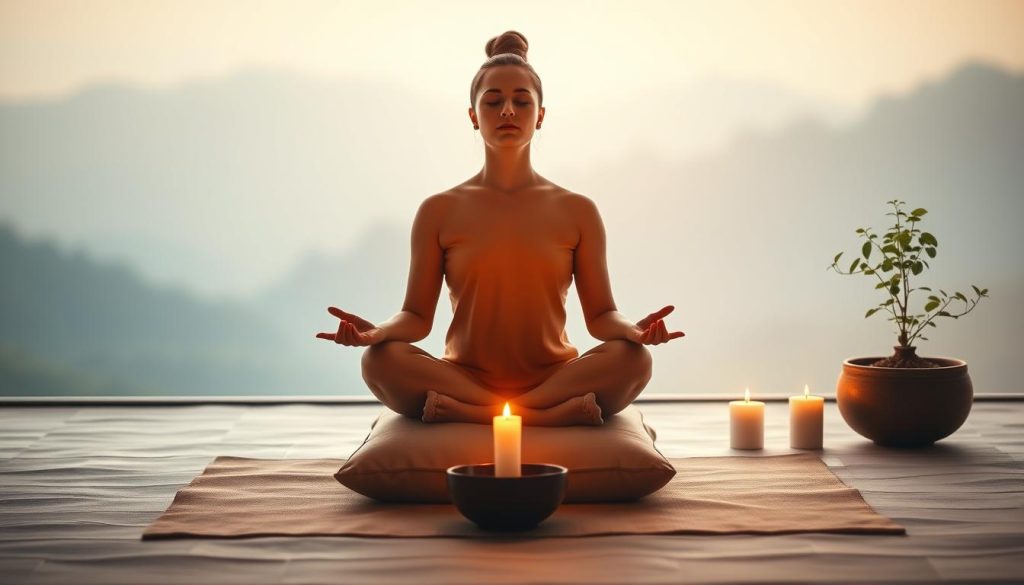
Meditation is a foundational mindfulness practice that can help you cultivate a sense of inner peace and emotional balance. To get started, find a quiet and comfortable space where you can sit without distractions. Begin with short sessions, even just a few minutes a day, and gradually increase the duration as you become more comfortable with the practice.
5-Minute Meditation for Beginners
For those new to meditation, starting with a short, manageable session can be incredibly beneficial. Here’s a simple 5-minute meditation technique: Sit comfortably with your eyes closed, focus on your breath, and when your mind wanders, gently bring your attention back to your breathing. You can use a guided meditation app or simply observe your breath. Start with a gentle inhalation and exhalation, feeling the air move in and out of your body.
Breathing Exercises for Immediate Stress Relief
Breathing exercises are another effective mindfulness practice for reducing stress and promoting emotional balance. One simple technique is the 4-7-8 breathing method: inhale for 4 seconds, hold your breath for 7 seconds, and exhale for 8 seconds. This can help calm your nervous system and reduce immediate stress.
Try this technique during a break at work or when feeling overwhelmed to quickly regain your composure and focus.
Incorporating Mindful Awareness into Routine Activities
Mindfulness isn’t limited to formal meditation or breathing exercises; it can be integrated into your daily activities. For example, when eating, pay attention to the taste, texture, and smell of your food. When walking, notice the sensation of your feet touching the ground and the rhythm of your steps. This mindful awareness can transform routine tasks into opportunities for cultivating calm and clarity.
By incorporating these mindfulness practices into your daily life, you can enhance your emotional balance, reduce stress, and improve your overall well-being.
Powerful Stress Management Techniques and Resources
Effective stress management is crucial for maintaining emotional well-being in today’s fast-paced world. By incorporating various stress management techniques into daily life, individuals can better cope with stress and anxiety.
Physical Activities That Reduce Stress and Anxiety
Engaging in physical activities is a highly effective way to reduce stress and anxiety. Exercise releases endorphins, which are natural mood lifters. Activities such as yoga, walking, and jogging are excellent options.
- Yoga: Combines physical postures, breathing techniques, and meditation to reduce stress.
- Walking: A simple and accessible form of exercise that can be done almost anywhere.
- Jogging: Aerobic exercise that releases endorphins and improves cardiovascular health.
Therapeutic Journaling Methods for Emotional Processing
Therapeutic journaling is a powerful tool for processing emotions and managing stress. By putting thoughts and feelings into words, individuals can gain clarity and perspective.
Prompt-Based Journaling Templates
Using prompt-based journaling templates can help guide the journaling process. These templates provide structured questions or statements to respond to, making it easier to get started.
“Writing is a form of therapy; sometimes I wonder how people manage to endure the troubles they have to face without writing about them.”
| Journaling Prompt | Purpose |
|---|---|
| What are my goals for the next week? | Setting short-term objectives |
| What am I grateful for today? | Fostering a positive mindset |
| What stressors am I currently facing? | Identifying sources of stress |
Digital Apps and Online Resources for Stress Management
In addition to physical activities and journaling, digital apps and online resources can provide valuable support for stress management. These tools offer guided meditations, breathing exercises, and mood tracking features.
- Headspace: A popular app offering guided meditation sessions.
- Calm: Features calming music, sleep stories, and relaxation exercises.
- Moodfit: A mood-tracking app that helps monitor emotional states.
By leveraging these stress management techniques and resources, individuals can develop a robust toolkit for maintaining emotional well-being.
Creating Your Personalized Emotional Wellness Toolkit
Creating a personalized emotional wellness toolkit is a journey of self-discovery and empowerment. It involves understanding your emotional needs, identifying effective coping strategies, and cultivating a supportive environment that fosters emotional resilience.
How to Assess and Track Your Emotional Patterns
Understanding your emotional patterns is the first step in creating an effective emotional wellness toolkit. This involves recognizing your emotional triggers, monitoring your emotional responses, and identifying patterns in your emotional experiences.
To assess your emotional patterns, consider maintaining an emotional journal where you record your feelings and the events that trigger them. This practice can help you identify recurring themes and gain insights into your emotional responses.
| Emotional Trigger | Emotional Response | Coping Strategy |
|---|---|---|
| Stress at work | Anxiety, irritability | Deep breathing exercises, short walk |
| Conflict with a friend | Sadness, anger | Meditation, talking to a trusted friend |
Designing a Daily Emotional Wellness Routine
A daily emotional wellness routine can provide a sense of stability and help you manage stress more effectively. This routine should include activities that promote relaxation, self-reflection, and emotional expression.
Some effective practices to incorporate into your daily routine include mindfulness meditation, gratitude journaling, and physical activity. These practices can help you cultivate a positive mindset and enhance your emotional resilience.
Adapting Your Tools for Different Emotional Challenges
Emotional challenges can vary widely, and it’s essential to have a range of coping strategies at your disposal. This might include techniques for managing anxiety, coping with grief, or dealing with anger.
For instance, during periods of high anxiety, progressive muscle relaxation or visualization techniques can be particularly helpful. In times of grief, expressive writing or talking to a trusted friend or therapist can provide emotional support.
Building a Support Network for Emotional Well-being
A strong support network is crucial for maintaining emotional well-being. This network can include friends, family members, mental health professionals, and support groups.
To build a support network, start by identifying individuals in your life who provide emotional support. Consider joining a support group or seeking out online communities focused on emotional wellness. These connections can offer valuable guidance, encouragement, and understanding.
Conclusion: Making Emotional Wellness Tools a Sustainable Part of Your Life
Emotional wellness is a journey, not a destination. By incorporating well-being resources into your daily routine, you can cultivate a more balanced and fulfilling life. Mindfulness practices, such as meditation and deep breathing, play a crucial role in reducing stress and anxiety.
Positive psychology exercises can also help you develop a more optimistic outlook and build resilience. By making these practices a habit, you can improve your overall emotional well-being and better navigate life’s challenges.
To sustain your emotional wellness journey, it’s essential to be consistent and patient. Start by committing to a daily routine that includes activities that nourish your mind, body, and spirit. As you progress, you can adapt your approach to suit your changing needs and goals.
By integrating these emotional wellness tools into your daily life, you can experience lasting benefits and improve your overall quality of life. Explore various well-being resources, find what works best for you, and make emotional wellness a sustainable part of your life.
FAQ
What are emotional wellness tools, and how can they benefit my mental health?
Emotional wellness tools are resources and strategies designed to help manage stress, anxiety, and other emotional challenges. They can benefit your mental health by providing you with effective coping mechanisms, improving your resilience, and enhancing your overall well-being.
How do I identify my emotional wellness needs?
To identify your emotional wellness needs, take time to reflect on your emotional patterns, stress triggers, and areas where you’d like to see improvement. You can also consult with a mental health professional for personalized guidance.
What are some effective mindfulness practices for daily emotional balance?
Effective mindfulness practices include meditation, deep breathing exercises, and incorporating mindful awareness into daily activities. These practices can help you stay present, reduce stress, and improve your emotional balance.
How can I create a personalized emotional wellness toolkit?
To create a personalized emotional wellness toolkit, assess your emotional patterns, identify your stress triggers, and select tools and strategies that work best for you. This may include mindfulness practices, journaling, physical activity, and digital apps.
What are some digital apps and online resources available for stress management?
Some popular digital apps and online resources for stress management include Headspace, Calm, and Happify. These platforms offer guided meditations, breathing exercises, and other stress-reducing activities.
How can I build a support network for emotional well-being?
Building a support network involves connecting with friends, family, or mental health professionals who can provide emotional support and guidance. You can also join online communities or support groups to expand your network.
What are some self-care strategies for maintaining emotional wellness?
Self-care strategies for maintaining emotional wellness include prioritizing sleep, engaging in physical activity, practicing mindfulness, and setting healthy boundaries. By incorporating these strategies into your daily routine, you can improve your emotional resilience and overall well-being.
How can I adapt my emotional wellness tools for different emotional challenges?
To adapt your emotional wellness tools for different emotional challenges, be flexible and willing to try new approaches. For example, if you’re experiencing anxiety, you may find that deep breathing exercises or physical activity helps. If you’re struggling with sadness, journaling or talking to a trusted friend or therapist may be more effective.